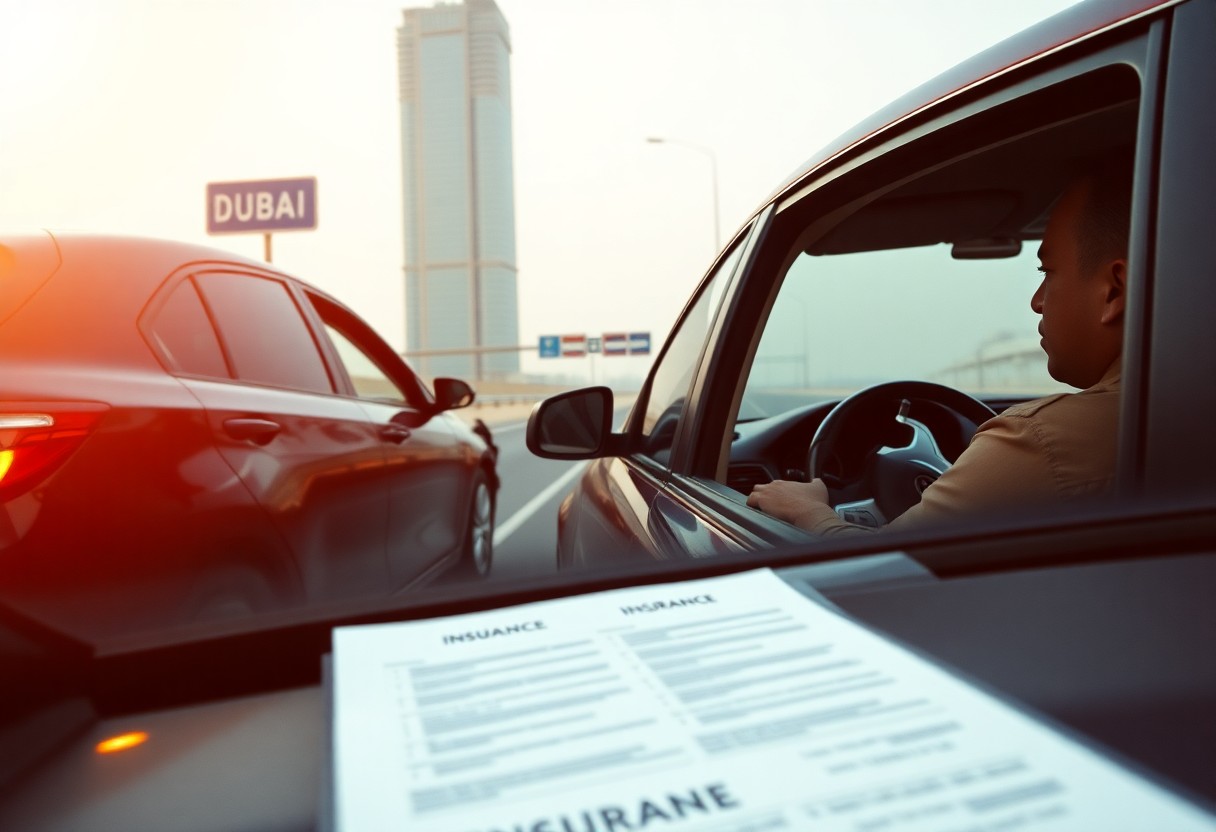
Car Accident in Dubai: 10 Steps for a Clean, Fast Claim

Here’s the thing: even a minor crash in Dubai becomes stressful when you don’t know how insurance claims work. The law is strict—every accident must be reported, and insurers demand specific documentation. But if you follow the right steps, you can avoid delays or disputes.
Step 1 — Ensure Safety First
After a crash, your priorities are:
- Check if anyone’s injured.
- Call an ambulance if needed (998).
- Turn on hazard lights and, if safe, move vehicles out of traffic.
This isn’t just best practice—emergency services timing matters for insurance and legal reporting.
Step 2 — Report the Accident to Dubai Police
Dubai law requires reporting all accidents, even minor ones. You can:
- Call 999 (emergency) or 901 (non-urgency).
- Use the Dubai Police mobile app to file a traffic report online.
Police will issue a formal accident report, which insurers must see to process your claim.
Pro tip: Get a copy or digital download of this report before leaving the scene. Without it, insurers may reject your claim.
Step 3 — Collect Evidence at the Scene
Before police finalize their report:
- Take photos of all vehicles involved (damage, plates, angles).
- Capture the location, road signs, skid marks, debris.
- Swap details with other drivers: name, Emirates ID, insurance, phone, license.
- Note any witness contact info.
Good visual documentation can cut disputes about fault later.
Step 4 — Understand the Police Report Color Codes
The Dubai Police accident report comes in colours:
- Green report — you’re not at fault.
- Red report — you’re at fault.
- White report — unclear liability.
This report directly affects how your insurer evaluates your claim.
Step 5 — Notify Your Insurance Company Immediately
Contact your insurer within 24 hours of the accident. Most companies offer 24/7 hotlines, apps, or online portals. You’ll need:
- Policy number
- Accident details
- Police report number
- Photos from the scene
This opens your official claim file.
Mistake to avoid: Waiting too long to notify your insurer can lead to claim denial.
Step 6 — Prepare the Required Documents
Have these ready before submitting your claim:
- Police accident report
- Emirates ID
- Driving Licence
- Vehicle registration card (Mulkiya)
- Filled insurance claim form
- Photos of damage
Insurers often provide a checklist when you call them.
Step 7 — Visit an Approved Garage for Inspection
Your insurer will assign or accept an approved repair workshop. If your car isn’t drivable, they usually arrange a tow. At the garage:
- Damage assessment is done
- Repair cost estimate is issued
- Insurer approves or advises corrections before work begins
This formal inspection is a key milestone in the claim process.
Step 8 — Follow Up Fast on Approvals
Once the garage submits estimates:
- Track the claim through your insurer’s claim reference number
- Respond quickly if they ask for more documents
Delays usually come from missing forms or unclear paperwork, not insurance bureaucracy.
Step 9 — Avoid Admitting Fault at the Scene
This matters more than most people realise:
Never say “my fault” or offer to settle directly with the other driver. Let police + insurance determine liability based on evidence and reports. Admitting fault can jeopardize your claim.
Step 10 — Pick Up Your Vehicle and Close the Claim
Once repairs are finished:
- Inspect the work before you drive off
- Keep all invoices and claim closure documents
Every claim should end with a final letter or digital confirmation from your insurer.
Quick Claim Checklist
✔ Immediately
- Turn on hazards
- Call police
- Call your insurer
✔ At the scene
- Photos
- Exchange info
- Witness details
✔ After police report
- Notify insurer
- Submit docs
- Take car to approved garage
✔ Finalise
- Track claim
- Inspect repairs
- Collect closure notice
FAQ
1. Do I have to report every accident to police in Dubai?
Yes. Reporting is mandatory even for minor fender-benders. Without a police report, insurers typically won’t process a claim.
2. What happens if the liability report says I’m at fault?
Your insurer will still process the claim, but your premiums may rise and you may be responsible for deductibles based on your policy.
3. Can I use my own mechanic instead of the insurer’s garage?
Usually only if your policy allows it. Otherwise, the insurer directs repairs to approved workshops.
4. How fast are claims usually settled?
Minor repairs take days to weeks. Major damage or total loss claims can take longer due to inspections and assessments.
Conclusion
What this really means is: when a car accident happens in Dubai, clarity beats stress. Focus on safety, documentation, and proper reporting first. Then use the process above to submit a clean claim that insurers can approve without back-and-forth.
If you want a simple download of the official police and common insurer claim forms, just let me know.