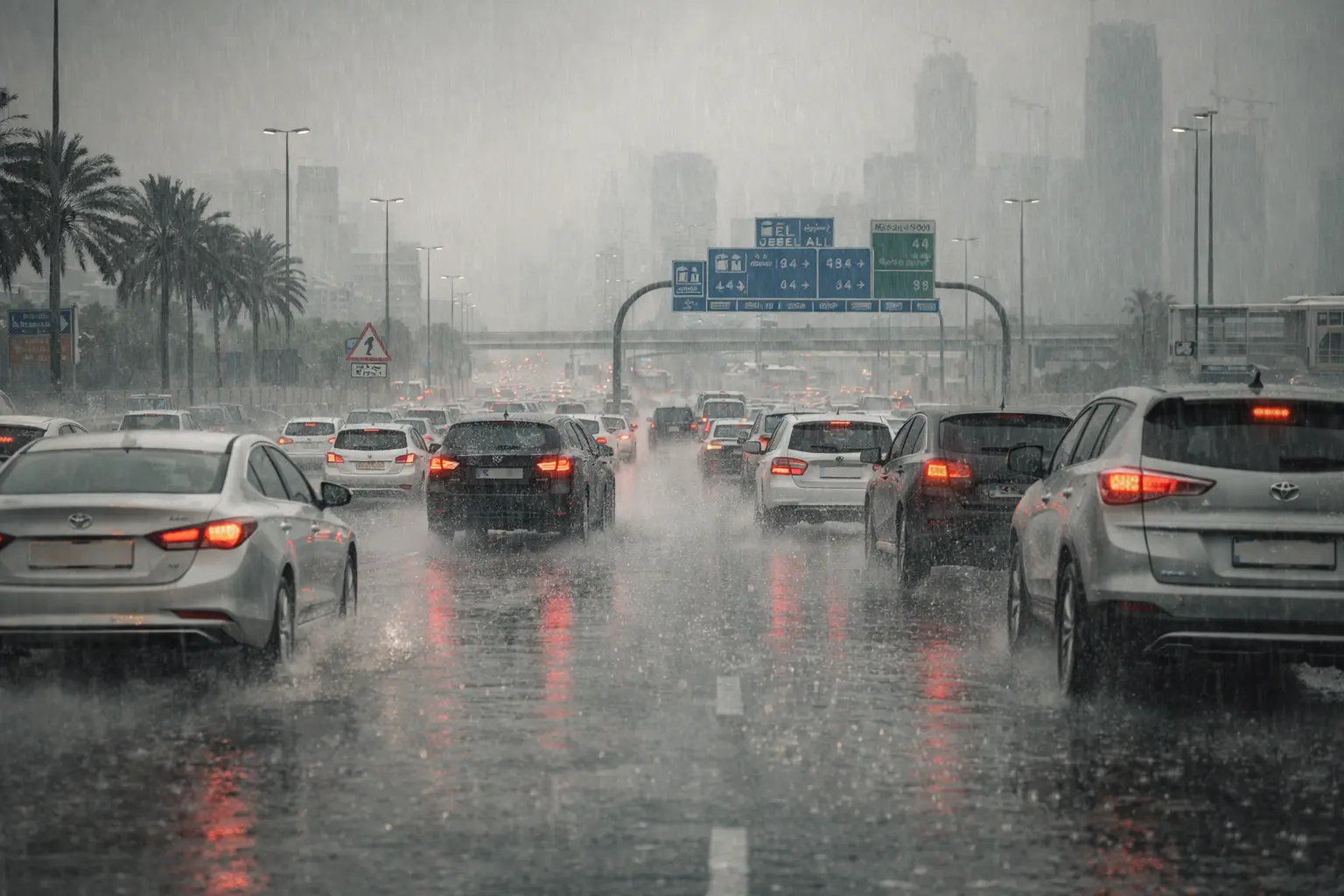
Flood, Rain & Sand Damage in UAE: What Motor Policies Cover

Heavy rains, sudden floods and frequent sandstorms aren’t just bad weather — they can hit your vehicle hard. In the UAE, standard insurance doesn’t automatically protect you against these events unless you choose the right coverage. This post cuts through the jargon so you know what’s covered, what isn’t, and how to make a claim that stands a real chance of success.
Types of Motor Insurance in the UAE
Third-Party Liability (TPL)
This is the minimum legal requirement and only pays for damage you cause to others’ property or vehicles. Your own car’s damage from weather events — floods, rain, sand — is not covered under TPL.
Comprehensive Motor Insurance
Comprehensive policies go beyond TPL and can cover damage to your own vehicle, including weather-related events — if the policy includes the relevant perils.
Some insurers bundle natural perils with comprehensive cover; in others you must add them as a natural peril/natural calamity rider for full protection.
What Weather-Related Damage is Covered?
Heavy Rain & Floods
Most comprehensive plans include damage from rain or floods as long as you were not driving through floodwaters. Vehicles parked and damaged during heavy rainfall or flood conditions are typically covered.
Important nuance: Some legal opinion says flood and natural disasters might be excluded unless listed, and you must verify your own policy wording.
Scenario example:
- If your parked car’s electronics and interior flood during heavy rain, and your policy lists natural hazards, you can file a claim.
- If you knowingly drive into floodwater and the engine fails, this may be classed as negligence and the claim could be denied.
Sandstorm & Sand Damage
Sand damage — scratches to paintwork or interior finish — is usually treated like other environmental damage. In many comprehensive policies, weather or environmental damage, including sandstorms, will be covered under the natural perils clause.
Coverage can vary — sometimes it’s automatic with comprehensive cover, other times it’s an add-on. You must read your policy details before you need it.
Claims: How to Avoid Rejection
Insurance claims for weather damage aren’t always straightforward. Here’s an original decision-tree framework you can follow:
Weather Damage Claims Decision Tree
- Type of Policy You Have
- TPL → No coverage for your own vehicle damage.
- Comprehensive → Continue to next step.
- Was the Damage During a Declared Weather Event?
- Yes → Continue.
- No → Some policies may not cover at all.
- Was the Vehicle Stationary?
- Parked → Higher chance of approval.
- Driven into hazards (e.g., flooded road) → Risk of denial.
- Have you Filed Documentation (Police/Photos)?
- Yes → Claim submission.
- No → Risk of rejection.
Tips for success:
- Don’t start a flooded engine. Turning the vehicle on can worsen damage and hurt your claim chances.
- Get official certification. In Dubai, a “To Whom It May Concern” certificate from police or traffic authorities helps support claims for weather damage.
What Is Often Excluded or Ambiguous?
Not all policies are equal. Some insurers exclude natural disasters by default or only cover them if you pay extra. This is where claims disputes often arise.
Example exclusion risks:
- Damage during active driving in a flood.
- Certain sand damage listed as maintenance rather than a weather claim.
- Events legally designated as “natural disasters” by authorities may be treated differently unless the policy explicitly includes them.
Always read the clauses under “perils covered” and “perils excluded” before buying or renewing insurance.
FAQ
Q1 — Does TPL motor insurance cover rain or flood damage?
No. TPL only pays for third-party liability and does not cover your own vehicle’s damage from rain, floods, or sand.
Q2 — Is sandstorm damage automatically covered?
Sandstorm or sand damage is usually covered only under comprehensive motor insurance, and sometimes as a separate add-on.
Q3 — Can I claim if I drove into floodwater?
That’s tricky. Many insurers view driving into floodwaters as negligence — which can lead to denial even under comprehensive cover.
Q4 — What documentation helps weather damage claims?
Photographs, police “To Whom It May Concern” certificates, and a prompt report to your insurer all strengthen your case.
Q5 — Does a comprehensive policy cover hail or storm damage?
Yes, in most comprehensive plans that include natural perils, hail and storm-related damage are covered. Always check your wording.
Conclusion & Next Steps
Here’s the bottom line: third-party insurance alone won’t protect your vehicle from rain, flood or sand damage in the UAE. If you want real weather coverage, you need comprehensive insurance with natural peril provisions or add-ons.
Before storm season or rental car trips, take 15 minutes to read your own policy, check for natural perils wording, and, if needed, upgrade your coverage. Better prepared now means fewer surprises later.